The horticulture industry has always relied on knowledge, craftsmanship and experience. Growing healthy plants at scale requires expertise in climate control, irrigation, plant physiology and logistics.
But as greenhouse production becomes more advanced, another factor is becoming increasingly important: technology.
Automation and robotics are not only improving efficiency in greenhouse production. They are also changing how the industry attracts, develops and retains skilled employees.
From repetitive work to skilled production
Traditionally, many greenhouse tasks involve repetitive manual work such as:
- plant propagation
- transplanting cuttings or plugs
- sorting plants
- moving trays
- packing produce
While these tasks are essential for production, they can also be physically demanding and repetitive for employees.
Automation allows greenhouse companies to shift these repetitive tasks to machines while allowing employees to focus on areas where their expertise creates more value.
This is one of the key motivations behind the adoption of collaborative robots in horticulture.
Learn more about how robotics can support greenhouse production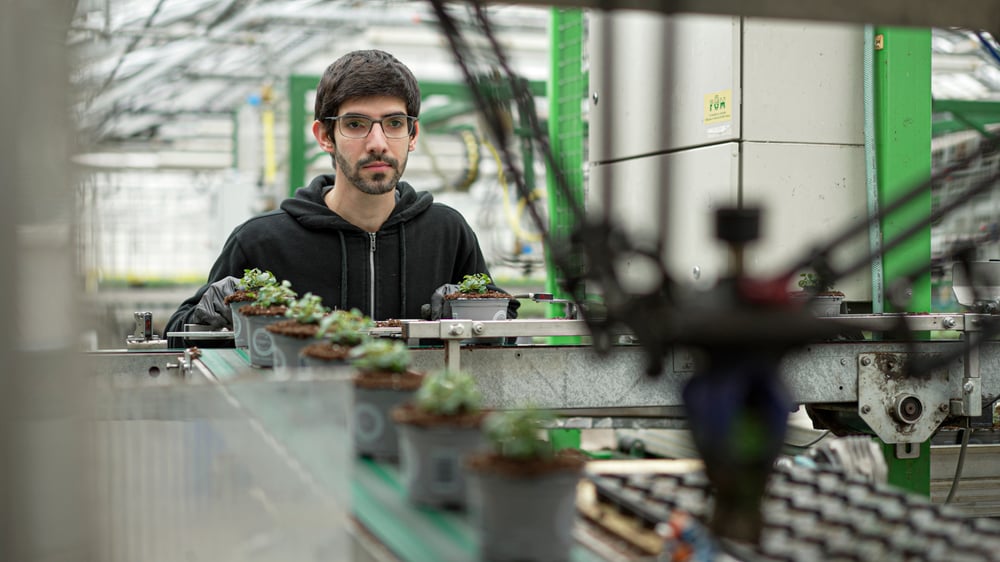
Technology makes greenhouses more attractive workplaces
Another important benefit of automation is its impact on recruitment.
Many greenhouse businesses are facing increasing difficulty in attracting and retaining employees. At the same time, younger generations entering the workforce often expect modern technology to be part of their work environment.
Greenhouses that integrate robotics, automation systems and digital tools can therefore become more attractive workplaces for new talent.
Today’s students are increasingly interested in working with technologies such as:
- robotics
- automation systems
- digital production management
- advanced climate control technologies
This combination of horticultural knowledge and technology is shaping the future of the industry.
A new role for the modern grower
Automation does not eliminate the need for skilled growers. Instead, it changes the nature of their work.
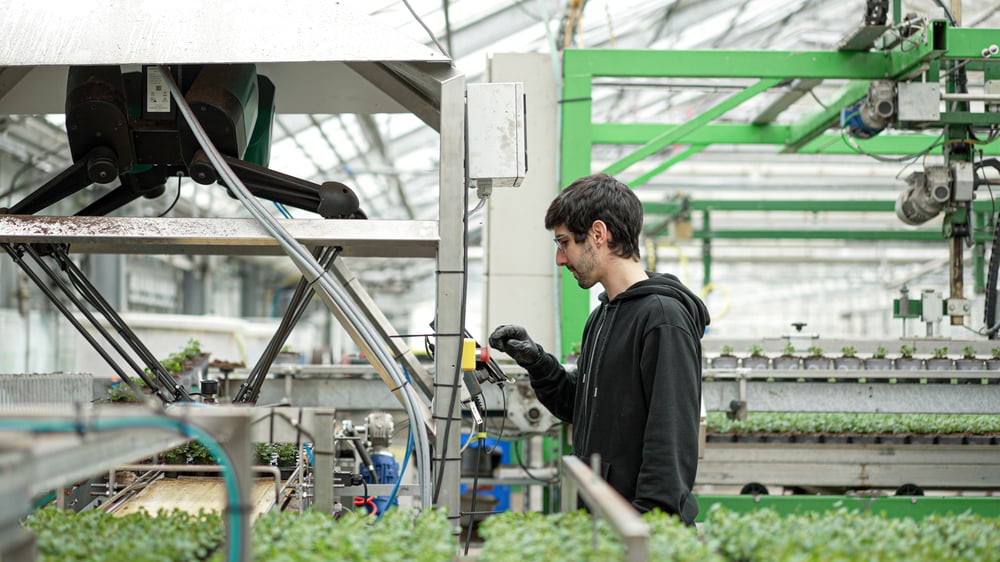
As robotics becomes part of daily greenhouse operations, employees take on new responsibilities such as:
- monitoring automated systems
- optimizing production flows
- adjusting robotic processes
- supervising automated production lines
Rather than replacing growers, automation supports them by removing repetitive tasks and allowing them to focus on higher-value activities.
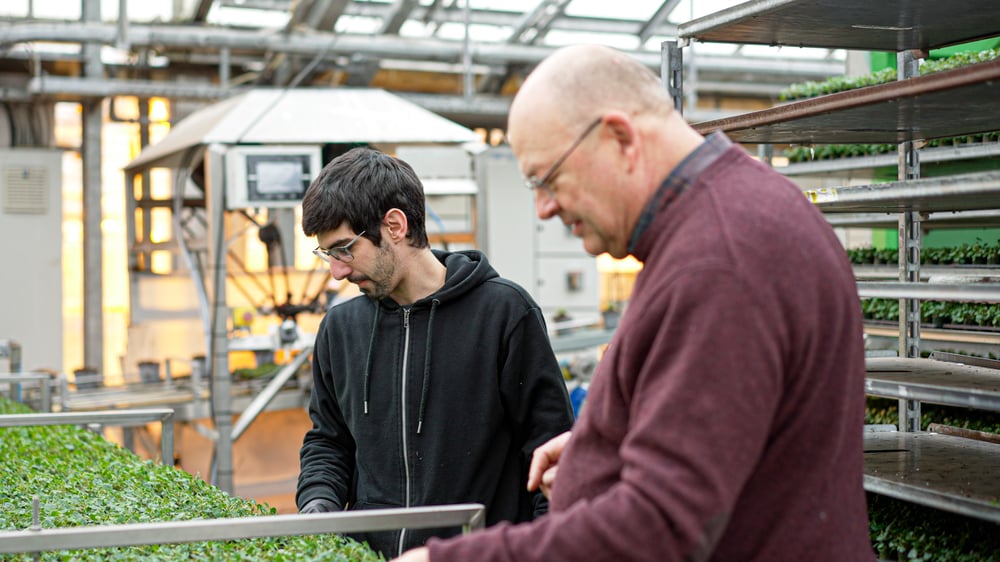
Automation is already changing daily work in greenhouses such as Rosa Danica in Denmark, now part of the horticulture group ByGrowers.
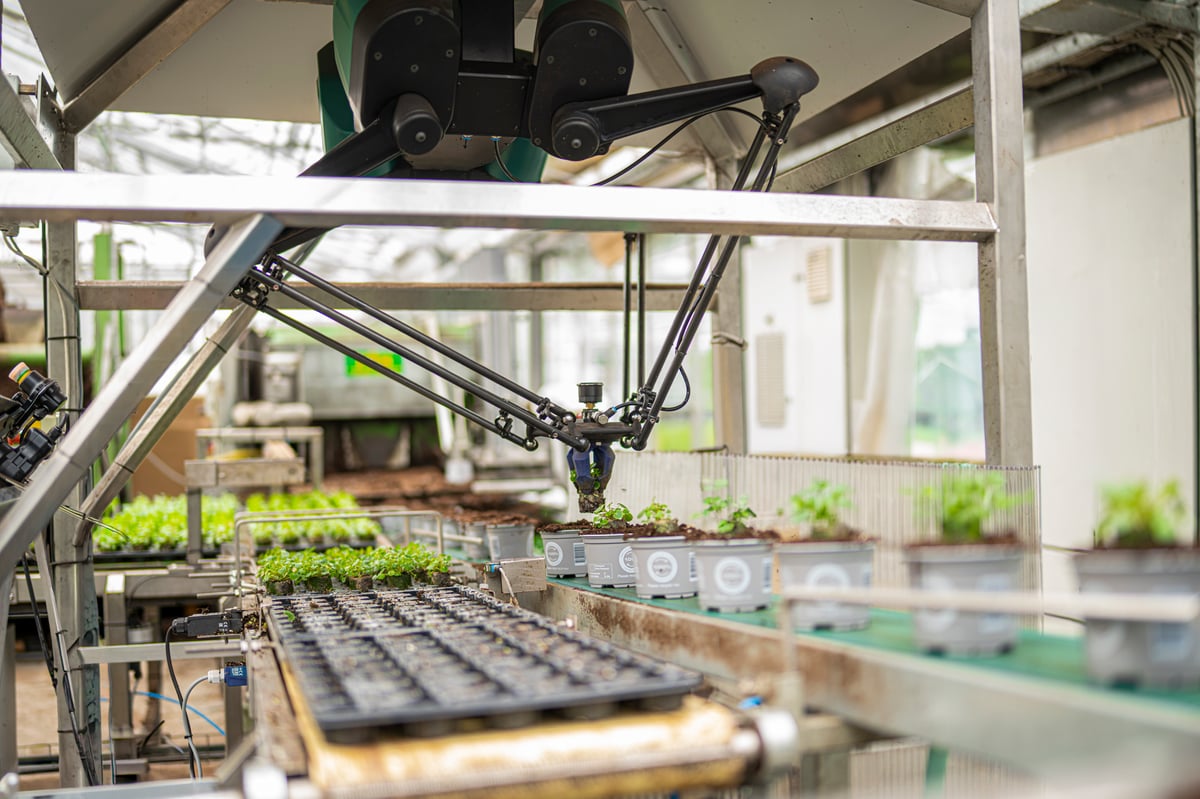
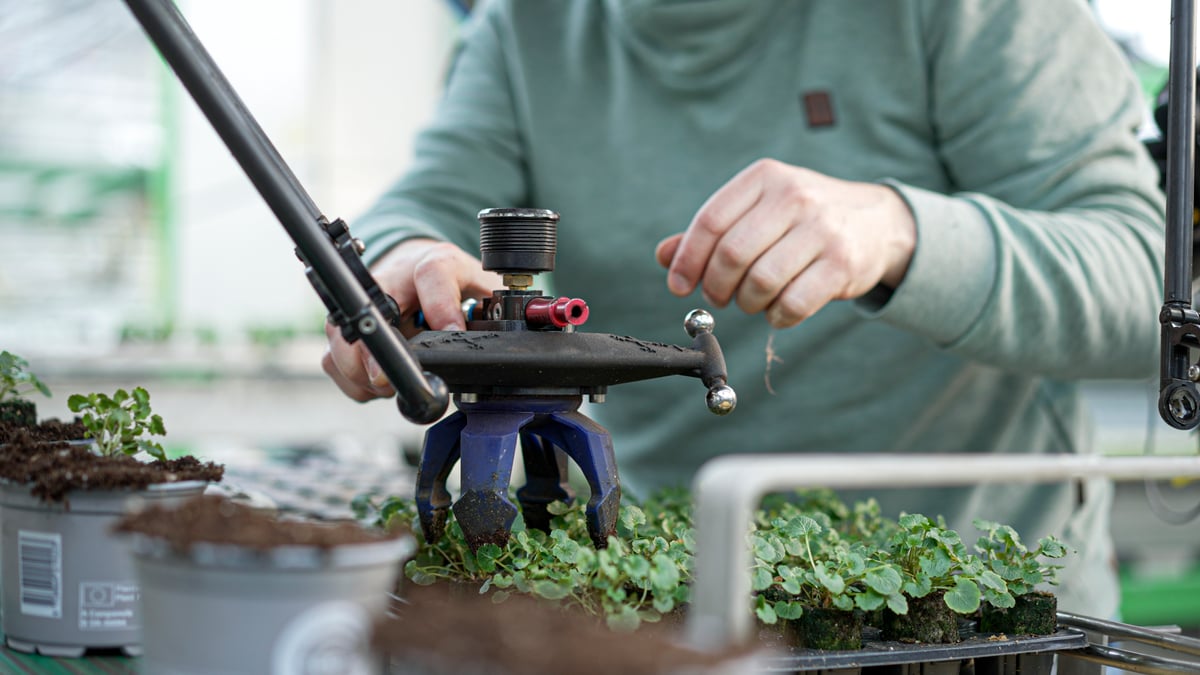
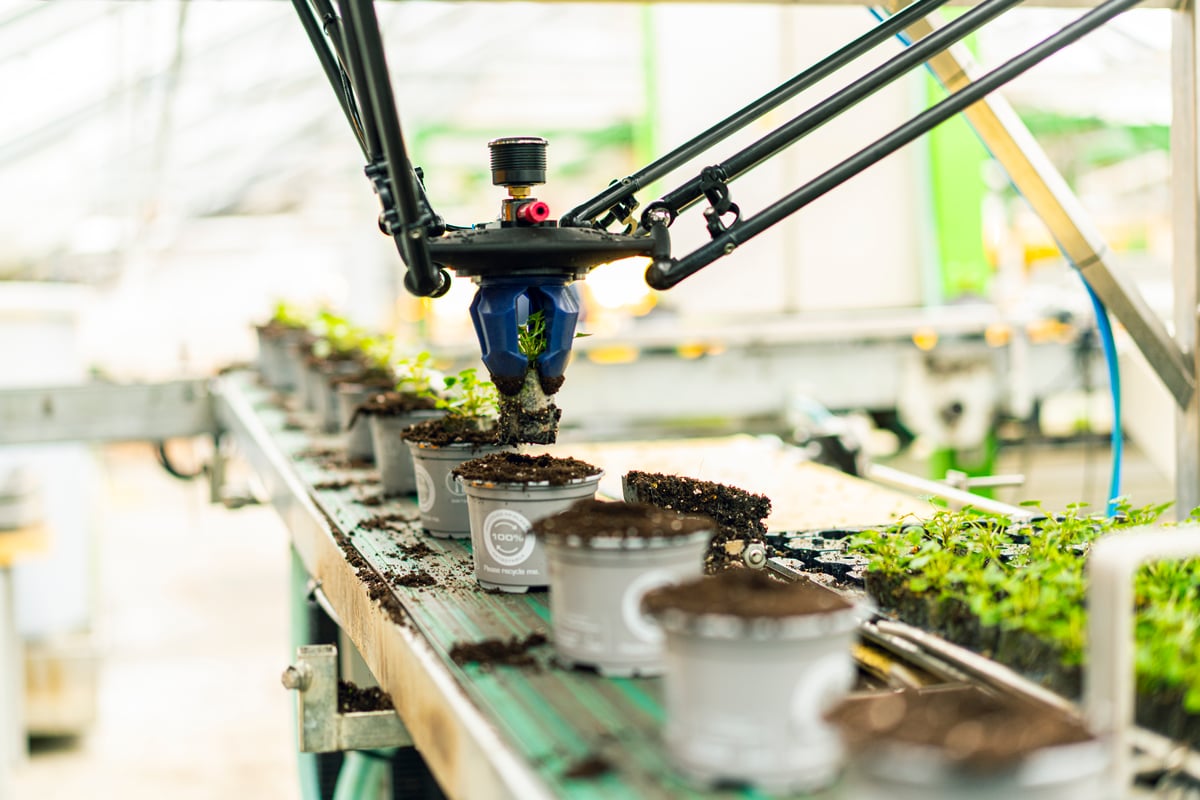
At Rosa Danica, a collaborative four-arm robot from 4XROBOTS now performs the repetitive task of transplanting cuttings along the production line.
This allows employees to focus on other parts of the production process where their horticultural expertise creates more value.
According to Torben Moth Madsen, director of Rosa Danica (ByGrowers):
“Skilled horticulture workers should be able to apply their knowledge and experience, not spend the entire day performing repetitive tasks.”
Building the greenhouse of the future
For many greenhouse businesses, investing in automation is about more than efficiency.
It is also about building a modern, future-ready greenhouse that can attract talented employees and remain competitive in a changing industry.
By combining skilled horticulture with advanced robotics, greenhouse operators can create workplaces that appeal to both experienced growers and the next generation of horticulture professionals.